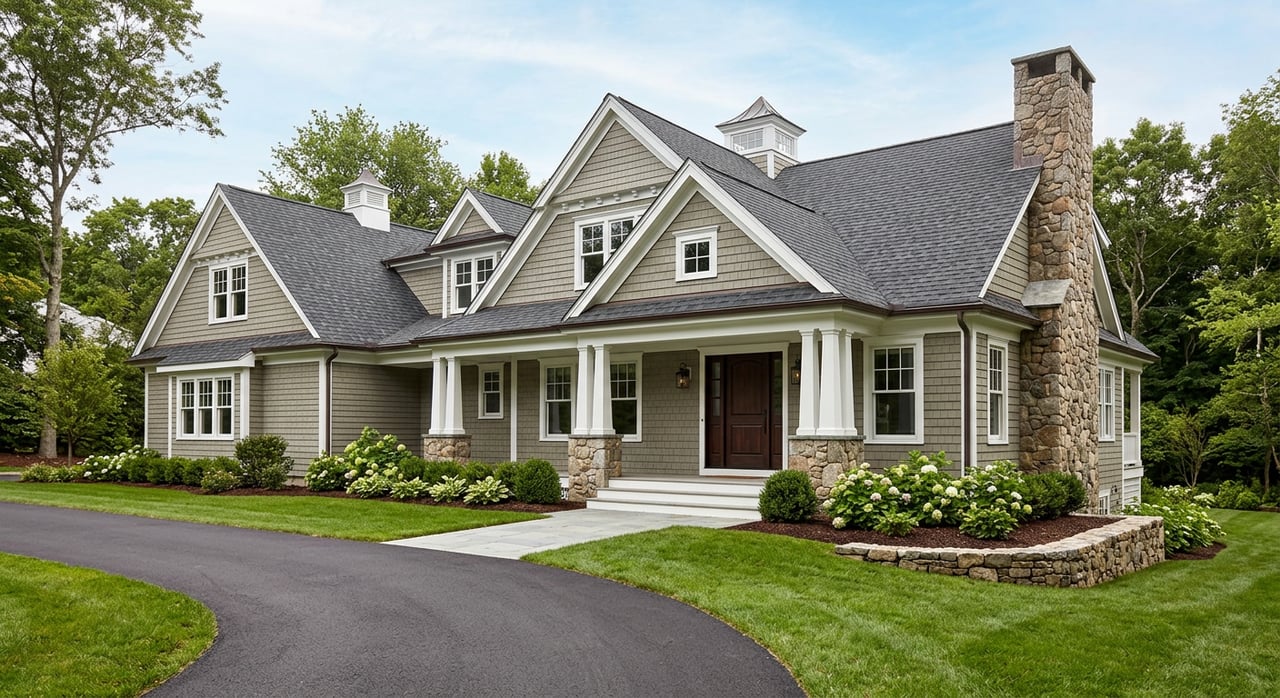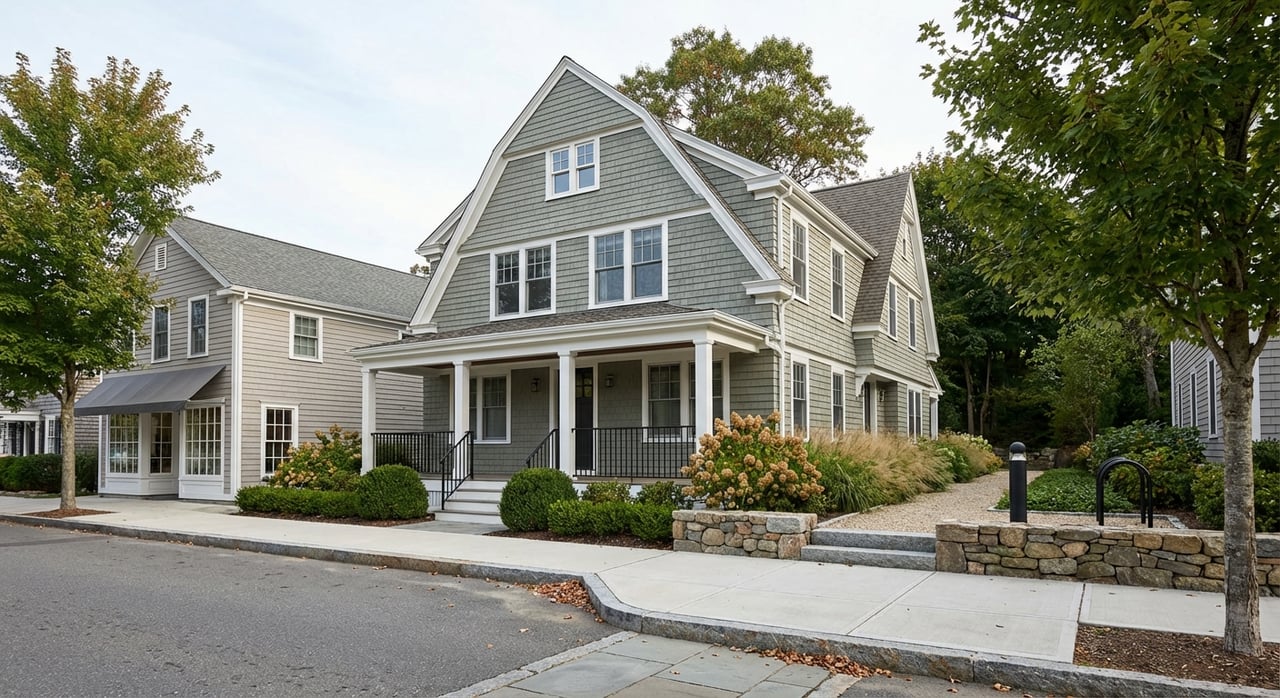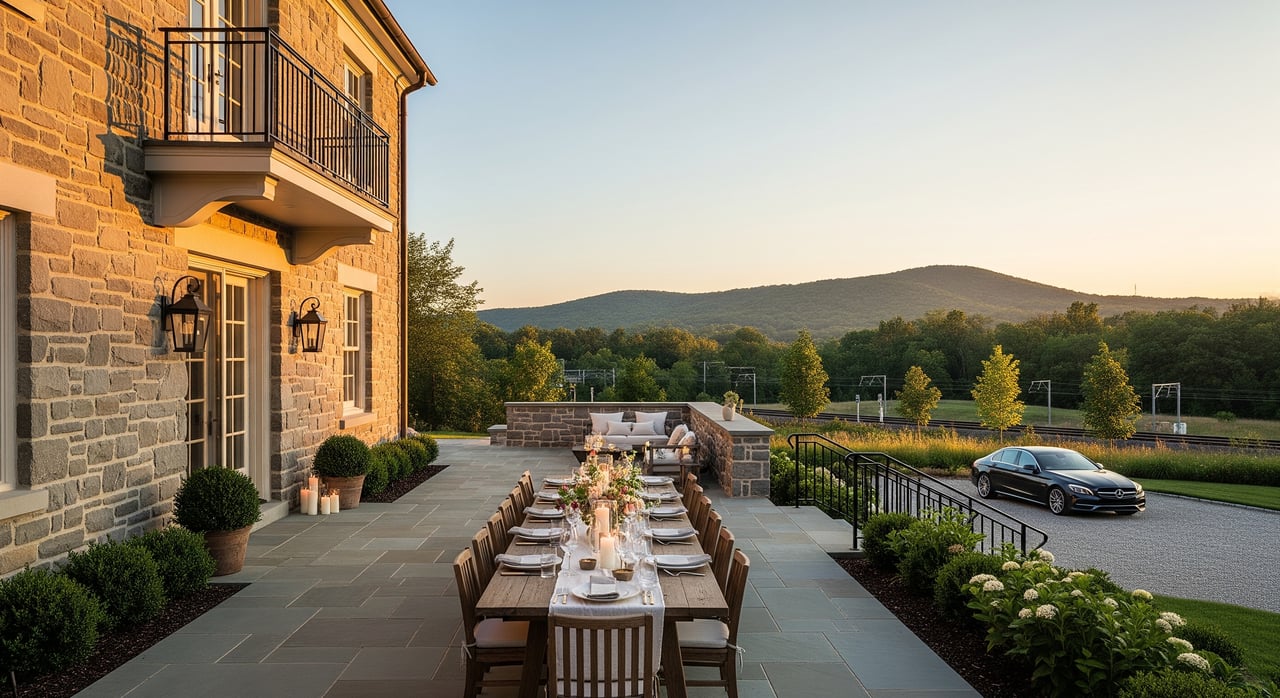
Choosing a home in Bernardsville can feel tricky when lot sizes change from one block to the next. One street offers charming historic cottages on compact lots, while a quick drive uphill reveals multi‑acre estates and architect‑designed homes. If you understand how local zoning ties to neighborhood patterns, you can focus your search and avoid surprises.
In this guide, you’ll learn how Bernardsville’s home styles align with typical lot sizes, what zoning really allows, and how to match your wish list to the right area and price band. Let’s dive in.
How zoning shapes lot sizes
Bernardsville’s zoning code sets the legal minimum lot area for each residential district. Actual parcels may be larger, but these numbers explain the big shifts you see as you move around town. For the full details, review the borough’s Article 12: Zoning in the municipal code. You can read the source document here: Bernardsville municipal zoning code.
Minimum lot areas by district (1 acre = 43,560 sq ft):
- R‑1‑10: 435,600 sq ft (10.00 acres)
- R‑1: 218,750 sq ft (≈ 5.02 acres)
- R‑1A: 137,500 sq ft (≈ 3.16 acres)
- R‑2: 50,000 sq ft (≈ 1.15 acres)
- R‑3: 20,000 sq ft (≈ 0.46 acres)
- R‑4: 11,250 sq ft (≈ 0.26 acres)
- R‑5: 5,000 sq ft (≈ 0.12 acres)
Key nuance: Bernardsville permits Open Space Residential Development in many districts. In an approved cluster, individual lots can be smaller than the single‑lot minimum because the plan preserves shared open space. For example, R‑2 cluster lots can be as small as 25,000 sq ft when open‑space rules are met. The municipal code above is the authoritative source.
Also remember that the code excludes floodplains, wetlands and buffers from the buildable envelope, and steep‑slope rules can limit site work. On paper a parcel may be 2–3 acres, but the usable yard could be smaller depending on environmental constraints. See the borough code for specifics.
Where styles and lot sizes cluster
Historic homes near downtown
Close to the train station and the Olcott Avenue area, you will find turn‑of‑the‑20th‑century homes in Queen Anne, Shingle, Arts & Crafts and Colonial Revival styles. The Olcott Avenue Historic District documents this period and its significance. For context on the district and its era, see the Historical Society of the Somerset Hills writeup.
- Typical lots: smaller, often in the R‑4 to R‑5 range (about 0.1–0.3 acres). Some older parcels are irregular.
- Buyer fit: you want a walkable setting near shops and the train, and you are comfortable with a compact yard.
If a property sits within a listed district, state or national status is largely honorary, but local review may apply for exterior changes. Always confirm with the borough.
Mid‑century and modern across town
Beyond downtown, you will see mid‑century ranches, modernist designs and a few architect‑designed standouts. Bernardsville even includes the James B. Christie House, Frank Lloyd Wright’s New Jersey project, which shows how notable modern homes were sited on acreage. Learn more about this example on the Frank Lloyd Wright Sites page.
- Typical lots: commonly 1–5+ acres in the R‑2 and R‑1A zones.
- Buyer fit: you value privacy, single‑level living or modern architecture, and you want room for gardens or a pool.
Estate properties on the ridgelines
The Somerset Hills “Mountain Colony” created a legacy of large country estates in Bernardsville. Grand homes in Georgian, Tudor Revival and Colonial Revival styles still anchor multi‑acre tracts with long drives and formal landscapes. Cross Estate is a well‑known example of the area’s country‑house era. For background, see Cross Estate Gardens.
- Typical lots: several to tens of acres, often above R‑1, R‑1A and even R‑1‑10 minimums.
- Buyer fit: you want seclusion, extensive grounds and estate‑scale living.
What this means for your budget
Bernardsville’s median sale price trends in the low seven figures, so entry‑level single‑family options can be limited. Inventory and pricing shift month to month. Use these rough bands as a planning guide and verify current data before touring.
- Entry band (under about $800k): smaller historic cottages downtown, homes needing updates, or occasional compact lots in R‑4/R‑5. Selection can be scarce in many months.
- Mid band (about $800k to $1.8M): remodeled mid‑century homes, larger historic houses on 0.5–3 acres, and some smaller estate parcels that may need modernization. Expect a mix across R‑3, R‑2 and R‑1A settings.
- Upper band ($2M and up): consolidated multi‑acre estates, architect‑designed homes on acreage, and renovated country houses in R‑1, R‑1A and R‑1‑10 areas.
Quick rule of thumb: if you want a walkable historic house near downtown, expect a smaller lot under about one third of an acre and a different price dynamic than a private, architect‑designed home on several acres up on the ridgeline.
Practical checks before you tour
Save time by confirming these items early. Your agent can pull most of this from the borough code, tax maps and county GIS.
- Zoning district and minimums: confirm the zone, minimum lot size, yards and accessory rules in the municipal code.
- Buildable area: check for wetlands, floodplain and steep slopes, which reduce usable yard without permits or special approvals.
- Septic vs. sewer: many large‑lot properties use septic. Verify system location, capacity and condition. Downtown is more likely to be on sewer.
- Historic review: properties within local or listed districts may require review for exterior changes. Check with the borough and the Historical Preservation Advisory Committee. A useful starting point is the Olcott Avenue district overview.
- Frontage and access: confirm minimum frontage and any shared drive or easement rules if you are considering subdivision or accessory structures.
- Taxes and schools: include property taxes and school district considerations in your total carrying cost. Review official sources for current figures and policies.
Match your wish list to the right area
- Walkability first: focus near downtown and the Olcott Avenue area on R‑4/R‑5‑sized lots.
- Privacy and land: look in R‑2, R‑1A and R‑1 for 1–5+ acres and estate‑scale settings.
- Architect‑designed homes: target larger lots where notable mid‑century and modern properties are more common.
- Renovation potential: older homes across zones can offer value. Confirm buildable envelopes and historic review before planning additions.
Ready to align your lifestyle, lot size and budget with the right Bernardsville neighborhood? Reach out to Alexander Goldman-Spanja for a tailored search plan and access to private opportunities.
FAQs
What lot sizes are typical near downtown Bernardsville?
- Lots near the Olcott Avenue and train‑adjacent blocks often align with R‑4 to R‑5 standards, roughly 0.1–0.3 acres, with some irregular older parcels.
How large are lots in Bernardsville’s estate areas?
- Estate and ridgeline properties commonly sit on several to tens of acres, often exceeding R‑1, R‑1A and even R‑1‑10 minimums.
Can I add on if my Bernardsville lot has steep slopes or wetlands?
- Additions may be limited because the code excludes wetlands and floodplain from the buildable area and applies steep‑slope controls, so verify feasibility early in the process.
What is Open Space Residential Development in Bernardsville?
- It is a cluster option that allows smaller individual lots than standard minimums when a subdivision preserves required common open space under the borough code.
Are there rules for exterior changes to historic homes in the Olcott Avenue area?
- State or national listing is mainly honorary, but local historic review may apply to exterior work, so confirm requirements with the borough before planning changes.
Are most Bernardsville homes on septic or sewer?
- Many larger‑lot and estate properties use septic systems, while homes near downtown are more likely to be connected to municipal sewer; always confirm with the borough.