If your workweek points toward Newark or New York City, where you live can shape everything from your morning routine to your long-term lifestyle. You may want more space, a quieter residential setting, and still need practical ways to get into the city without guessing your options. Bernardsville stands out for that balance, and this guide will help you understand the commute, the housing mix, and what daily life can look like here. Let’s dive in.
Why Bernardsville works for commuters
Bernardsville offers something many commuters want but do not always find in one place: a low-density suburban setting with multiple ways to travel. You have rail service, commuter bus access, and nearby highway connections, which gives you flexibility depending on your schedule.
That flexibility matters because commuting from Bernardsville is not one-size-fits-all. Some residents may prefer the train for routine weekday travel, while others may use bus service or drive when their schedule changes.
Train access from Bernardsville
Bernardsville Station sits on Mine Brook Road and Route 202 at Depot Square, right in the borough’s core. NJ TRANSIT lists parking across three lots with 143 standard spaces, along with bike racks or lockers. Parking is also free on weekends and during evening and overnight hours from 7 PM to 6 AM.
For many NJ-to-NYC commuters, the train is the main draw. The Morris & Essex weekday timetable effective May 31, 2026, shows Bernardsville departures starting as early as 4:41 AM, with several morning options through 6:30 AM.
Arrival times into New York vary by train, with morning arrivals ranging from 5:30 AM to 8:01 AM. Some trains are MidTown Direct, while others involve connections through Hoboken, PATH, or ferry service. That means the route can work well, but it also means your trip is schedule-driven and worth planning carefully.
On the way home, return service offers a good spread of late afternoon and evening options. Bernardsville arrivals listed in the timetable include 4:42 PM, 5:33 PM, 6:11 PM, 6:34 PM, 6:47 PM, 7:07 PM, 7:23 PM, and 7:50 PM.
What the train commute really means
The biggest takeaway is simple: Bernardsville can support a regular city commute, but you will want to build your routine around the timetable. If you need a very flexible start and end time every day, that is an important factor to weigh.
If your schedule is more predictable, the train can be a strong fit. Early departures, multiple morning trains, and evening return options give you structure, especially if you like planning your day around a set departure.
Bus and road options
Train service is not your only choice. Lakeland Bus Lines provides commuter service to and from the Port Authority Bus Terminal in Manhattan, and borough documents note a stop in front of the train station.
That bus option can be useful as either your primary commute or a backup plan. It adds another layer of flexibility for days when train timing does not line up with your needs.
If you drive, local road access also supports regional travel. Borough planning documents identify Route 202 as the main downtown thoroughfare and note that access to I-287 is close by, with two entries roughly two miles east and south of downtown via Route 202 and Mount Airy Road.
Newark access and regional convenience
For commuters heading to Newark, Bernardsville’s combination of rail, bus, and highway access can be especially practical. You are not relying on a single route type, which can make day-to-day planning easier.
That said, your best choice may depend on where in Newark or New York you are going and how fixed your hours are. In Bernardsville, convenience comes from having options, not from an all-day, walk-up-and-go transit pattern.
Bernardsville housing for commuters
If you are considering Bernardsville, the housing stock is a big part of the story. The borough’s 2025 housing plan shows a community that is largely built out, so most future housing is expected to come through redevelopment rather than large new subdivisions.
That built-out pattern helps explain why Bernardsville feels established rather than newly expanding. It also means available homes may be shaped more by resale inventory and redevelopment activity than by large-scale new construction.
As of 2020, the borough had 2,915 total housing units and 2,651 occupied units. The tenure split was 61.7% owner-occupied and 29.2% renter-occupied, with a 12.6% rental vacancy rate.
For buyers, that points to a market where ownership plays a major role. For renters, it suggests there may be some rental availability, but not a broad, apartment-heavy inventory base.
A market dominated by single-family homes
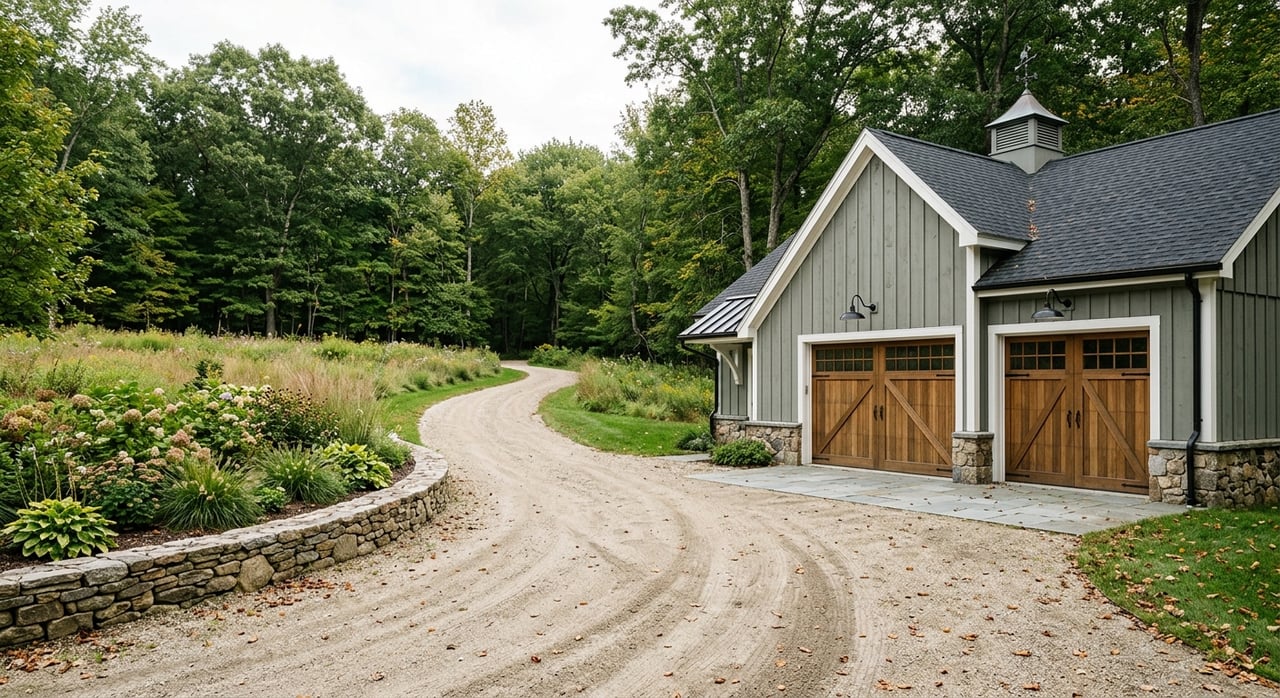
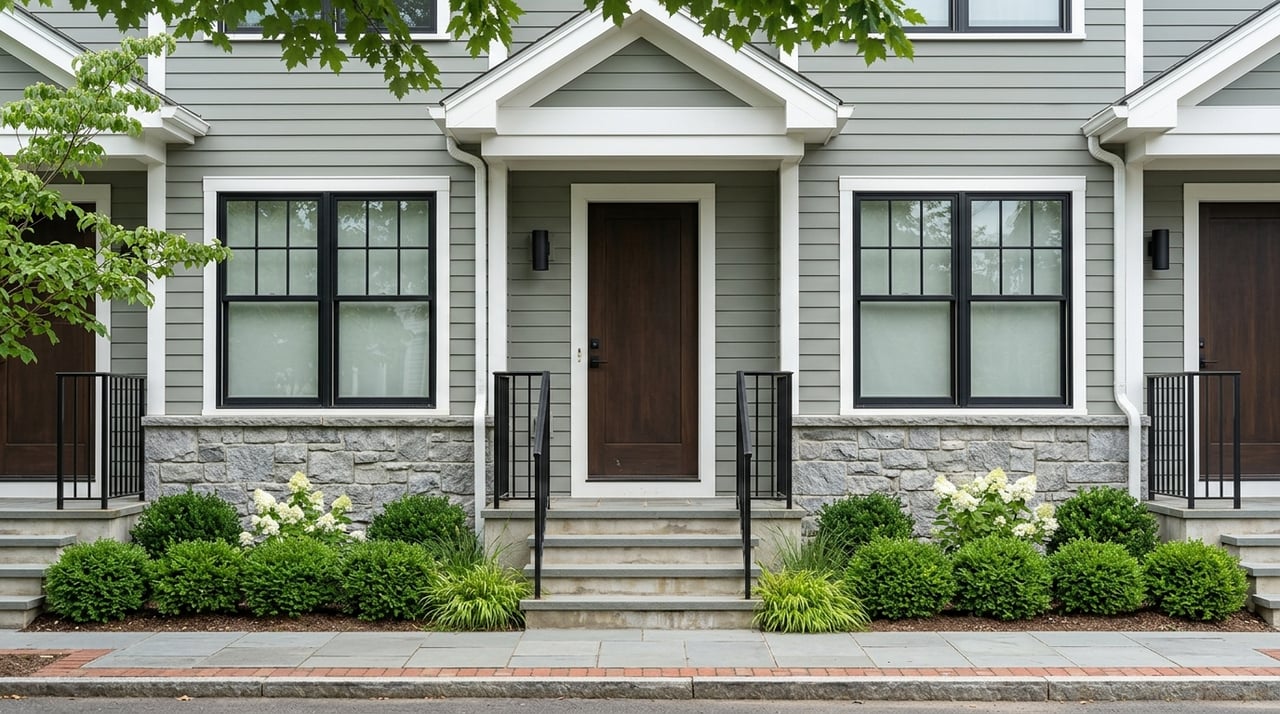
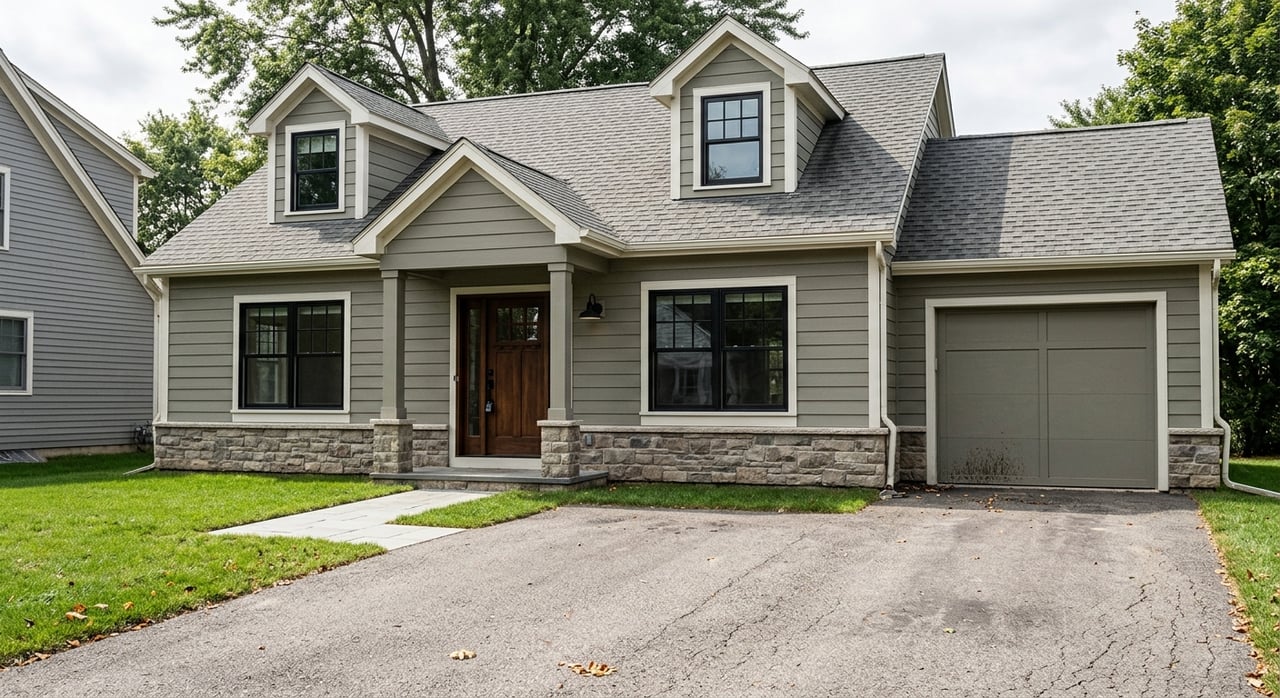
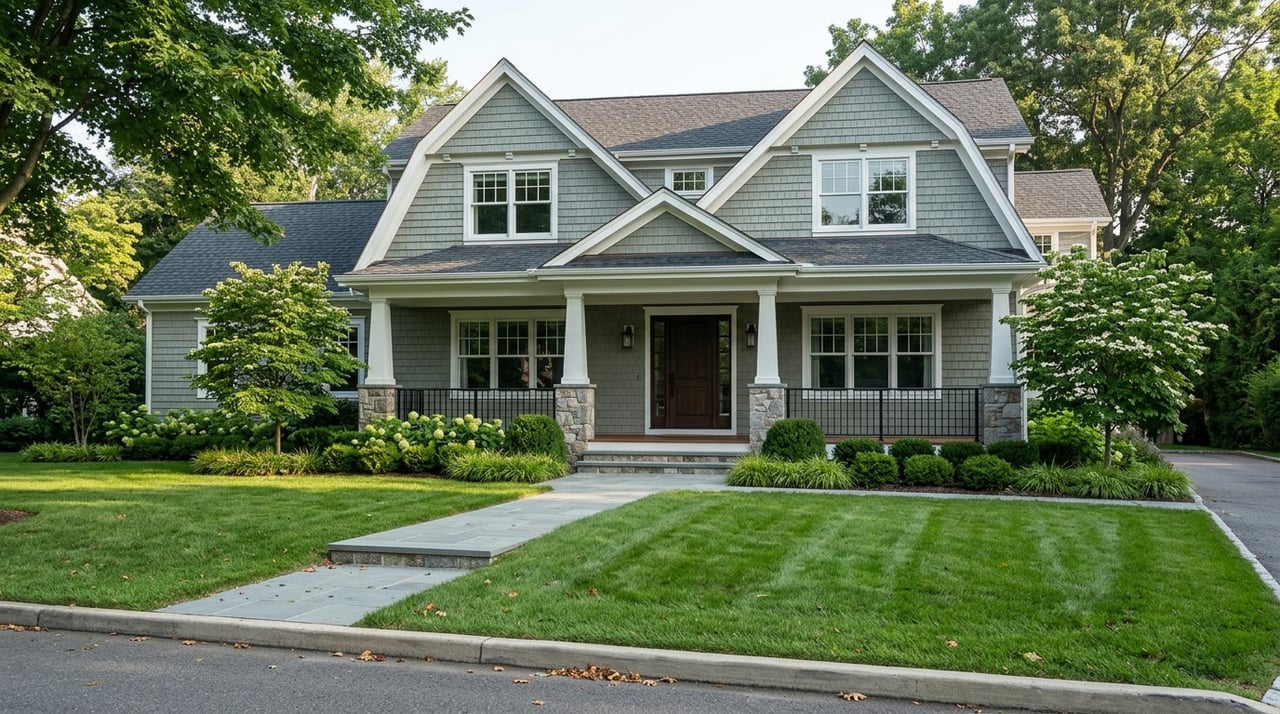
Bernardsville is heavily defined by detached housing. The housing plan reports that 84.3% of units are one-unit detached homes, while attached single-family homes make up 4.8% and two-unit structures make up 4.3%.
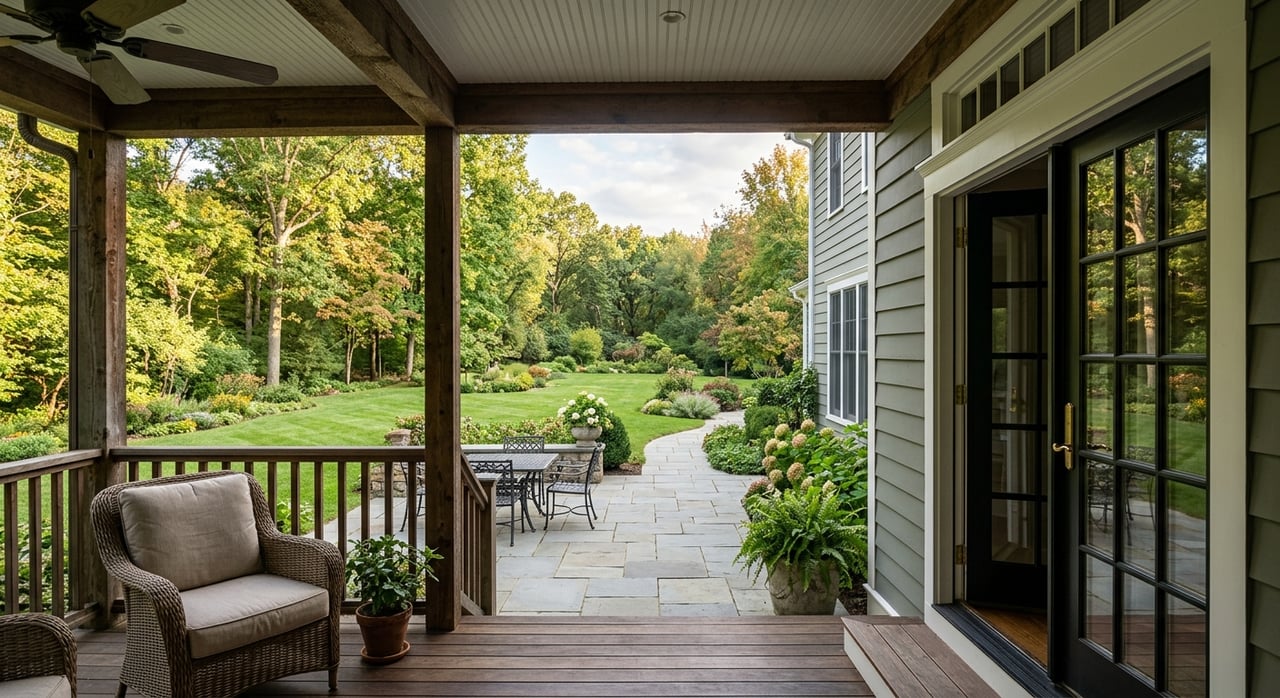
Small multifamily categories exist, but they represent only small shares of the overall housing mix. If your image of the ideal commute town includes a detached home, more lot space, and a more traditional suburban layout, Bernardsville aligns well with that preference.
If you are hoping for a large selection of newer condos or dense multifamily options near transit, this is the kind of place where expectations matter. The market is simply shaped differently.
Older homes and established character
Bernardsville also has an older housing stock. According to the borough’s housing plan, 26.4% of units were built in 1939 or earlier.
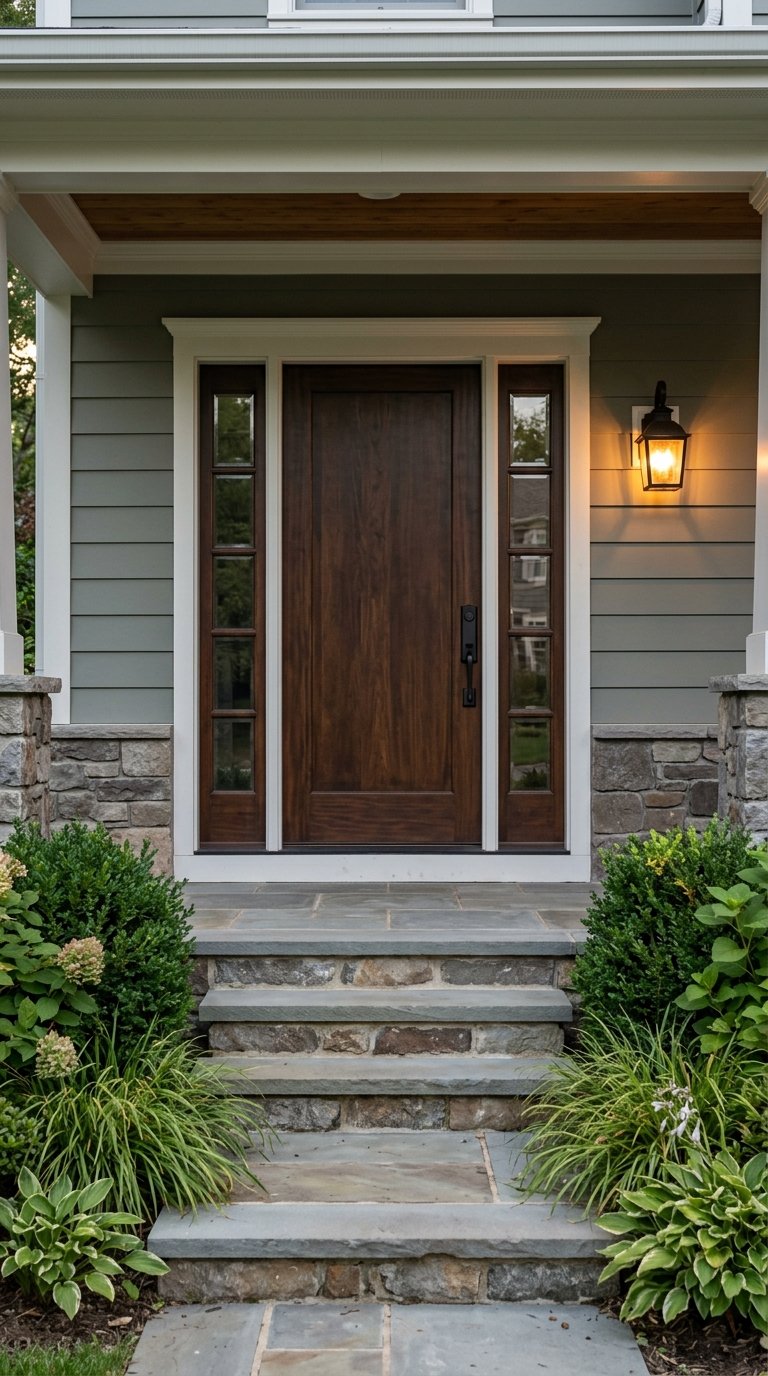
That can translate into mature streetscapes, architectural variety, and homes with more historic character. It can also mean you may want to pay close attention to upkeep, updates, and layout differences as you compare properties.
Pricing context in Bernardsville
Bernardsville is described in the borough’s housing plan as a high-cost market. Among owner-occupied homes, 53.1% were valued between $500,000 and $999,999, and 18.8% were valued at $1 million or more, with a median value of $655,300.
Census QuickFacts reports a July 2025 population estimate of 7,966 and a median household income of $236,115. For commuters comparing towns, this helps place Bernardsville in context: it is not an entry-level market for most buyers, and your budget should line up with the borough’s pricing reality.
Downtown Bernardsville vs outer areas
One of the most helpful ways to think about Bernardsville is to separate the downtown core from the more suburban edges. Borough planning documents describe downtown as primarily two-story commercial and mixed-use buildings with street frontage, with Olcott Square and the train station woven into that central area.
That gives parts of downtown a more compact, walkable feel than you might expect in a low-density suburb. If being close to the station matters to you, this part of town will likely feel different from areas farther out.
The same planning documents note that the east side becomes more suburban and auto-oriented. They also describe the north and south sides as mostly residential neighborhoods, including the Olcott Avenue Historic District.
What daily life can feel like
If you want to be able to reach the station, downtown services, and civic spaces with more ease, the core may be the most practical fit. If you care more about a traditional residential setting and are comfortable driving more often, outer areas may better match your priorities.
This contrast is part of Bernardsville’s appeal. You can often choose between a more connected downtown pattern and a quieter, more spread-out neighborhood feel, depending on the kind of routine you want.
A borough with historic roots
Bernardsville’s identity is tied to its long history. The borough’s housing element notes that the community began as Vealtown, was settled in 1736, became Bernardsville in 1840, and was incorporated as an independent municipality in 1924.
The current train station was completed in 1902 and is listed on the State and National Register of Historic Places. That history helps explain why commuting here can feel tied to a long-established town center instead of a newer suburban park-and-ride environment.
Is Bernardsville right for your commute?
Bernardsville can be a strong choice if you want a detached-home suburb with access to Newark and New York City through rail, bus, and major roads. It is especially appealing if you value an established town, a recognizable downtown core, and a housing stock shaped by traditional single-family homes.
The main tradeoff is that the commute works best when you respect the schedule. Early train departures, planned return times, station parking, and backup options like bus service all matter.
If that structure fits the way you live and work, Bernardsville can offer a practical and polished suburban base. If you want help comparing Bernardsville with other commuter-friendly towns in north-central New Jersey, Alexander Goldman-Spanja can help you evaluate the housing options, commute patterns, and neighborhood feel that best match your goals.
FAQs
What is the train commute from Bernardsville to New York City like?
- Bernardsville has weekday morning departures starting at 4:41 AM, with New York arrivals on different trains ranging from 5:30 AM to 8:01 AM, and some trips are direct while others require connections.
What parking is available at Bernardsville Station?
- NJ TRANSIT lists parking across three station lots with 143 standard spaces, plus bike racks or lockers, with free parking on weekends and from 7 PM to 6 AM.
What housing types are most common in Bernardsville?
- Bernardsville is dominated by one-unit detached homes, which make up 84.3% of the housing stock, so the market is primarily centered on single-family living.
What is downtown Bernardsville like for commuters?
- Downtown Bernardsville includes the train station, Olcott Square, and primarily two-story commercial and mixed-use buildings, giving the core a more compact and pedestrian-friendly feel than the borough’s outer areas.
Is Bernardsville mainly a rental market or a buyer market?
- The borough has a stronger ownership profile, with 61.7% owner-occupied housing and 29.2% renter-occupied housing, while rental availability exists but is not broad compared with more apartment-focused towns.